Dark patches on the cheeks, forehead or upper lip, uneven tone after acne, or a dull, tanned look that does not go away: pigmentation is one of the most common reasons people visit a dermatologist in India. It is also one of the most misunderstood. Many creams promise quick fairness, but real improvement depends on identifying the type of pigmentation and treating it properly.
Why Indian skin is prone to pigmentation
Skin with more melanin tends to respond to sun, heat, inflammation and hormones by producing extra pigment. That is why a pimple, an insect bite or a harsh treatment can leave a dark mark that lasts for months. It also means that aggressive treatments can backfire on Indian skin, so the choice of treatment and the expertise of the doctor matter.
Common types of pigmentation
- Melasma: Symmetrical brown or grey-brown patches on the cheeks, forehead, nose or upper lip. It is triggered by sun, heat, hormones (such as pregnancy and some contraceptives) and genetics, and it is a long-term condition that needs ongoing care.
- Post-inflammatory hyperpigmentation: Dark marks left behind after acne, rashes, burns or injuries.
- Sun spots and freckles: Small, flat dark spots caused by cumulative sun exposure.
- Dark neck, underarms or knuckles: Often linked to friction, but thick, velvety darkening can sometimes be a sign of insulin resistance and is worth discussing with a doctor.
- Tanning: Diffuse darkening from sun exposure that usually improves with protection and treatment.
Treatments that work
Sun protection comes first
No treatment succeeds without sun protection. Use a broad-spectrum sunscreen every day. For melasma, visible light and even heat can worsen patches, so tinted sunscreens containing iron oxide, hats and shade are helpful.
Prescription topical treatments
Dermatologists may prescribe brightening or pigment-regulating creams, which should be used only as directed and for the period advised. Using strong creams without supervision can cause irritation, rebound darkening or thinning of the skin.
Chemical peels
Superficial peels exfoliate the top layer of skin and help fade uneven pigment over a series of sessions. The type and strength are chosen to suit your skin tone and condition.
Laser toning and other in-clinic options
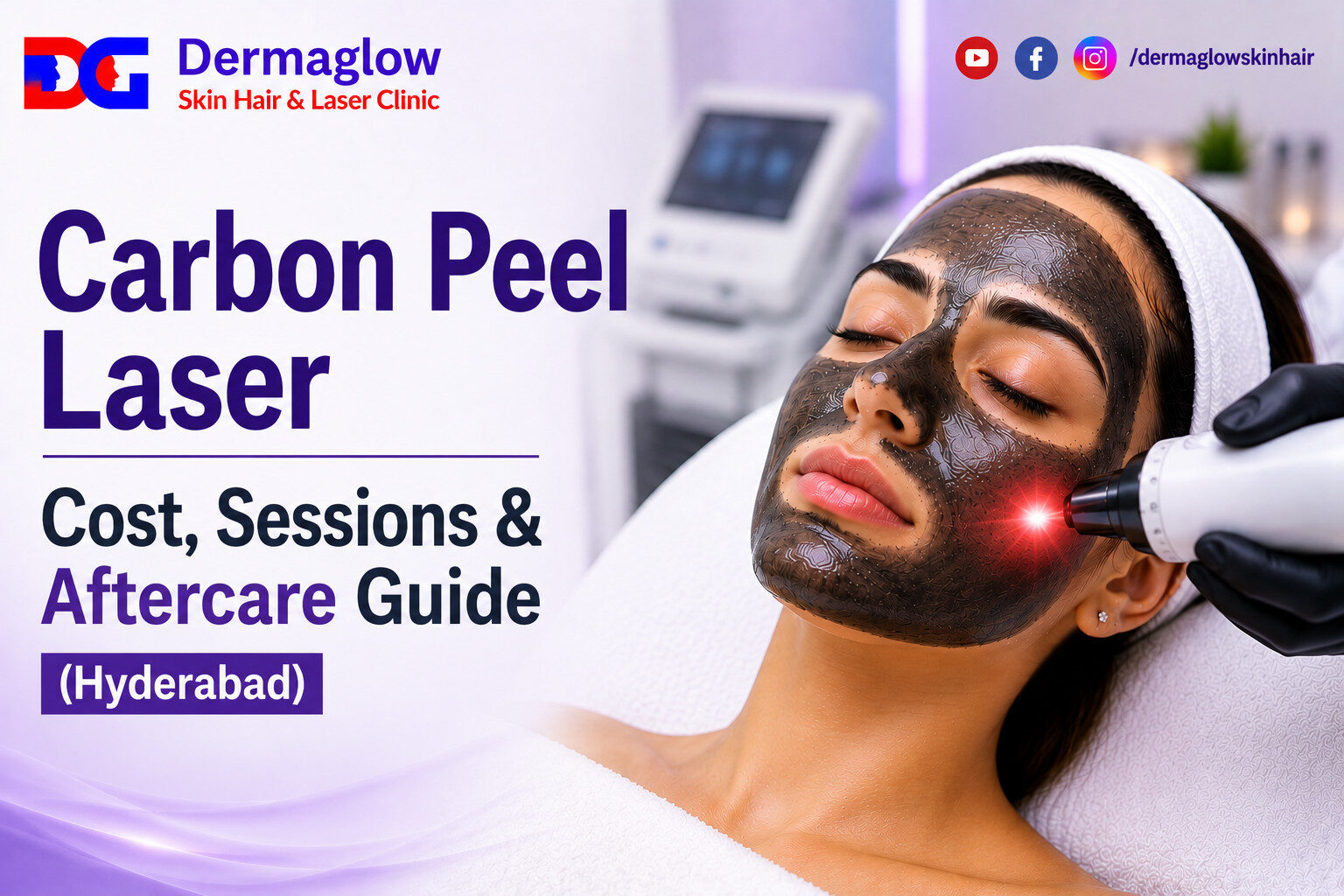
Low-energy laser toning, microneedling with brightening serums and carbon peel are options used in a controlled, gradual way. Melasma can worsen with too much heat or aggressive settings, so these treatments should always be dermatologist-led, and results are usually seen over weeks to months.
Oral medicines in selected cases
For stubborn melasma, doctors may sometimes recommend oral medication after checking your medical history. This should only ever be started after a consultation.
What does not work, and can cause harm
- Lemon juice, baking soda, toothpaste and other home remedies that burn or irritate the skin
- Harsh scrubs that inflame skin and deepen pigmentation
- Fairness creams of unknown composition; some contain steroids or other harmful ingredients that thin the skin and cause long-term damage
- “Instant whitening” injections or drips that have no sound medical basis
Pigmentation, hormones and pregnancy
Melasma is often called the “mask of pregnancy” because hormonal changes can trigger it. If you are pregnant or breastfeeding, many strong treatments are avoided. Sun protection, gentle skincare and pregnancy-safe options become the focus, and your doctor can plan more active treatment later. Never start a pigment treatment on your own during pregnancy.
A sample treatment journey
- Week 0: Consultation to identify the type of pigmentation and its triggers.
- Weeks 1 to 4: Daily sunscreen, a simple routine and the topical treatment your doctor prescribes.
- Weeks 4 to 12: In-clinic treatments such as peels or toning, usually every two to four weeks, with reviews to adjust the plan.
- After three months: Reassessment, then a gentle maintenance routine to protect your results.
Home care that supports treatment
- Use a gentle cleanser and avoid scrubs.
- Moisturise to keep the skin barrier healthy.
- Do not stop prescribed treatments early, even when skin starts to look better.
Questions to ask your dermatologist
- What type of pigmentation do I have?
- How many sessions will I need, and what is the expected timeline?
- What can make it worse, and how do I prevent a relapse?
- What are the risks for my skin tone?
What to expect: timeline and relapse
Pigmentation treatment is gradual. Most people see early improvement in eight to twelve weeks, with continued progress over several months. Melasma can return with sun exposure, hormonal changes or when care is stopped, so maintenance with sunscreen and a simple routine is part of the treatment.
Everyday tips that protect your results
- Reapply sunscreen every two to three hours when outdoors.
- Do not pick pimples; every picked spot is a potential dark mark.
- Wear a hat or use an umbrella during peak sun hours.
- Introduce new skincare products one at a time.
Key takeaways
- Identify the type of pigmentation before choosing a treatment.
- Sun protection is the foundation, and melasma needs ongoing care.
- Avoid home remedies and unverified fairness creams.
- Expect gradual improvement over weeks to months, followed by maintenance.
Frequently asked questions
Can pigmentation be completely cured?
Some types, such as post-acne marks, can fade almost completely. Melasma is better thought of as controllable than curable. Most people achieve a major improvement and maintain it with sun protection and care.
Is laser safe for dark skin?
It can be, when the correct device, settings and spacing are chosen by an experienced doctor. Be cautious of any clinic that promises instant results.
Why did my pigmentation come back?
Sun exposure, hormones, heat and stopping treatment are the usual reasons. A maintenance plan helps prevent a relapse.
Can I wear makeup during pigmentation treatment?
Usually yes, though you should avoid heavy products straight after peels or procedures. Mineral or tinted sunscreens can double up as light coverage.