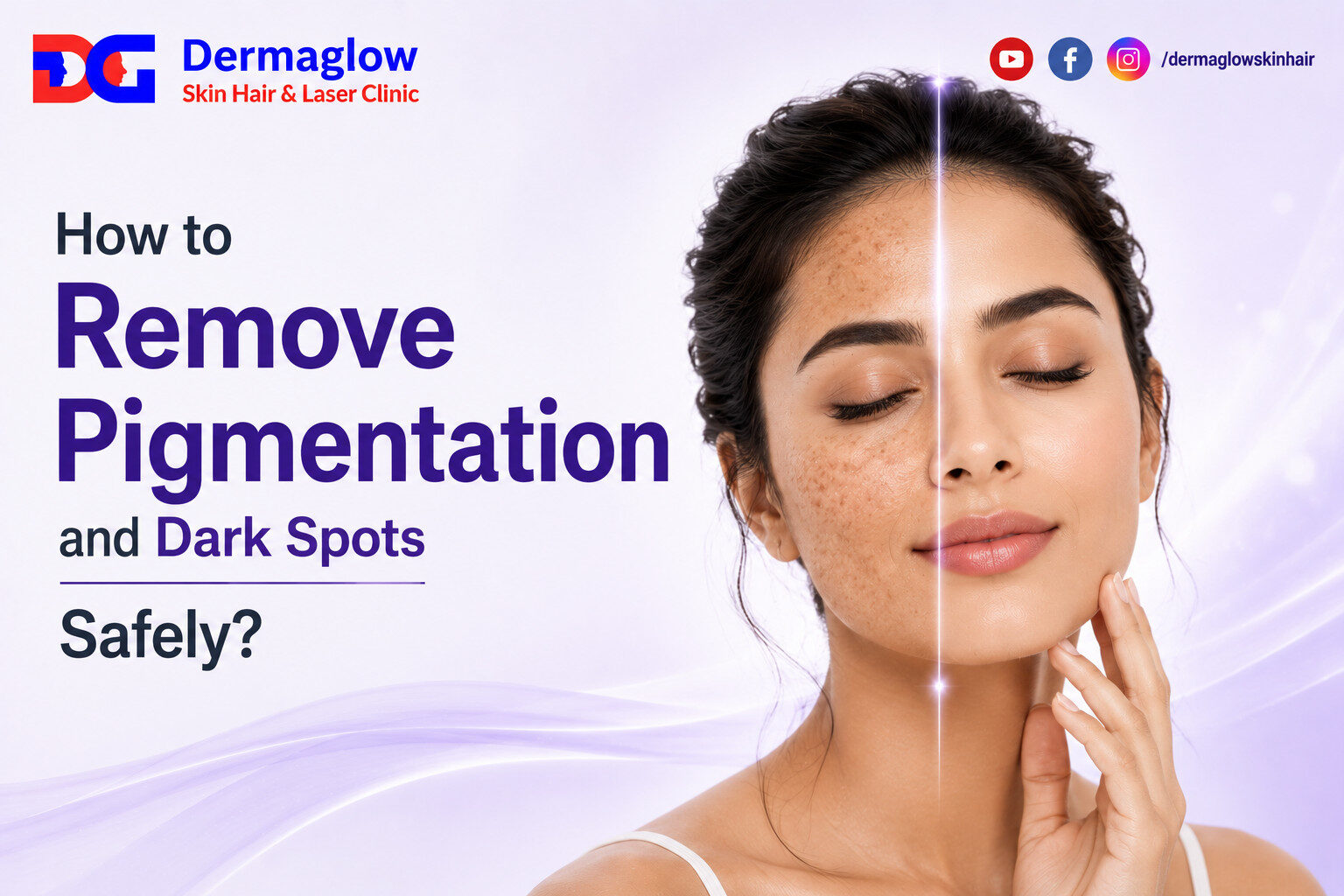
Acne usually fades. The marks and scars it leaves behind often do not. Whether it is pits on the cheeks, a rough texture or dark spots that linger long after the pimples are gone, acne scars can affect confidence. The good news is that modern dermatology offers several effective options, but the right one depends on the type of scar and your skin.
First, are they scars or marks?
Flat red, pink or brown marks that appear after a pimple are post-inflammatory marks, not true scars. They often fade with sun protection, time and the right topical treatment. True scars involve a change in skin texture, such as pits or raised areas.
Common types of acne scars
- Ice-pick scars: Narrow, deep, pit-like scars.
- Boxcar scars: Broader, box-shaped depressions with defined edges.
- Rolling scars: Shallow, wave-like depressions caused by bands under the skin.
- Hypertrophic or keloid scars: Raised scars, more common on the jawline, chest and back.
Many people have a combination, which is why treatment is usually layered.
Treatment options compared
Chemical peels
Superficial peels refine texture, brighten and fade marks. They suit mild scarring and post-acne marks, and are usually done as a series.
Microneedling
Fine needles create controlled micro-injuries that stimulate collagen. It is commonly used for mild to moderate boxcar and rolling scars and can be combined with PRP or serums. Expect a few days of redness, and sessions are typically repeated several times.
Fractional laser resurfacing
Fractional lasers treat tiny columns of skin to trigger remodelling and are effective for deeper textural scars. They involve more downtime, such as redness and peeling for several days, and need careful settings on darker skin to avoid pigmentation, so an experienced doctor matters.
Subcision
A minor procedure in which a fine needle releases the fibrous bands that tether rolling scars to the tissue beneath, allowing the skin to lift.
TCA CROSS and punch techniques
For ice-pick scars, a dermatologist may apply a concentrated acid precisely into the scar, or use minor surgical techniques for deep pits.
Dermal fillers
In selected scars, fillers can temporarily lift depressions and are usually used as a supporting treatment.
Recovery at a glance
Downtime varies from person to person and with how aggressive the treatment is, but as a rough guide:
- Superficial peels: Mild redness and flaking for a few days.
- Microneedling: Redness similar to mild sunburn for one to three days.
- Fractional laser: Redness, swelling and peeling that may last around a week.
- Subcision: Bruising and tenderness that can last one to two weeks.
How many sessions and how long?
Most people need three to six sessions of a procedure, spaced about four to six weeks apart, with visible improvement building over several months as new collagen forms. Most scars improve significantly, but complete erasure is not realistic, and an honest consultation will tell you so.
What affects the cost
The cost depends on the type of scar, the number of treatments, the technology used and the doctor’s experience. Cheaper is not always better, since poor technique can worsen scars or cause pigmentation. Ask for a clear plan and price for the whole course, not just the first session.
Questions to ask before treatment
- Which scar types do I have?
- Which treatments suit my skin tone, and why?
- How many sessions will I need, and what is the downtime?
- What results are realistic?
- What are the risks, and how are they managed?
Before you start
- Bring active acne under control first; new breakouts create new scars.
- Avoid sun exposure and tanning, and use sunscreen daily.
- Tell your doctor about any medicines you take, including isotretinoin, as some treatments may need to be delayed.
- Avoid picking scabs or pimples during healing.
Aftercare
Keep skin moisturised, avoid scrubs and strong actives until your doctor says it is safe, and wear sunscreen. Freshly treated skin is more prone to pigmentation, particularly in Indian skin tones, so sun protection is not optional.
Can you prevent acne scars?
- Treat acne early; the longer it stays inflamed, the higher the chance of scarring.
- Never squeeze or pick pimples.
- Use sunscreen daily, which stops marks from darkening.
- See a dermatologist for painful, deep or cystic acne instead of waiting for it to settle.
Home care for post-acne marks
- Sunscreen every single day.
- Ingredients such as niacinamide, azelaic acid, vitamin C or a gentle retinoid, introduced one at a time.
- Patience: marks can take several months to fade.
Key takeaways
- Work out whether you have marks or true scars, and which scar types you have.
- Most people need a combination of treatments over several months.
- Control active acne first and protect your skin from the sun.
- Choose an experienced doctor, especially for lasers on Indian skin tones.
- Aim for significant improvement, not perfection.
Frequently asked questions
Which treatment is best for deep acne scars?
There is no single best option. Deep scars usually need a combination, such as subcision with microneedling or fractional laser, chosen after your doctor identifies your scar types.
Can acne marks go away without treatment?
Many flat marks fade over several months with sun protection and suitable topical care. True textural scars rarely improve on their own.
When is the best time to treat acne scars?
Once acne is under control. The cooler months are convenient because there is less sun exposure, but treatment can be done year-round with strict sun protection.
Is microneedling painful?
A numbing cream is applied beforehand, so most people feel pressure and mild stinging rather than pain. The skin feels sensitive for a day or so afterwards.